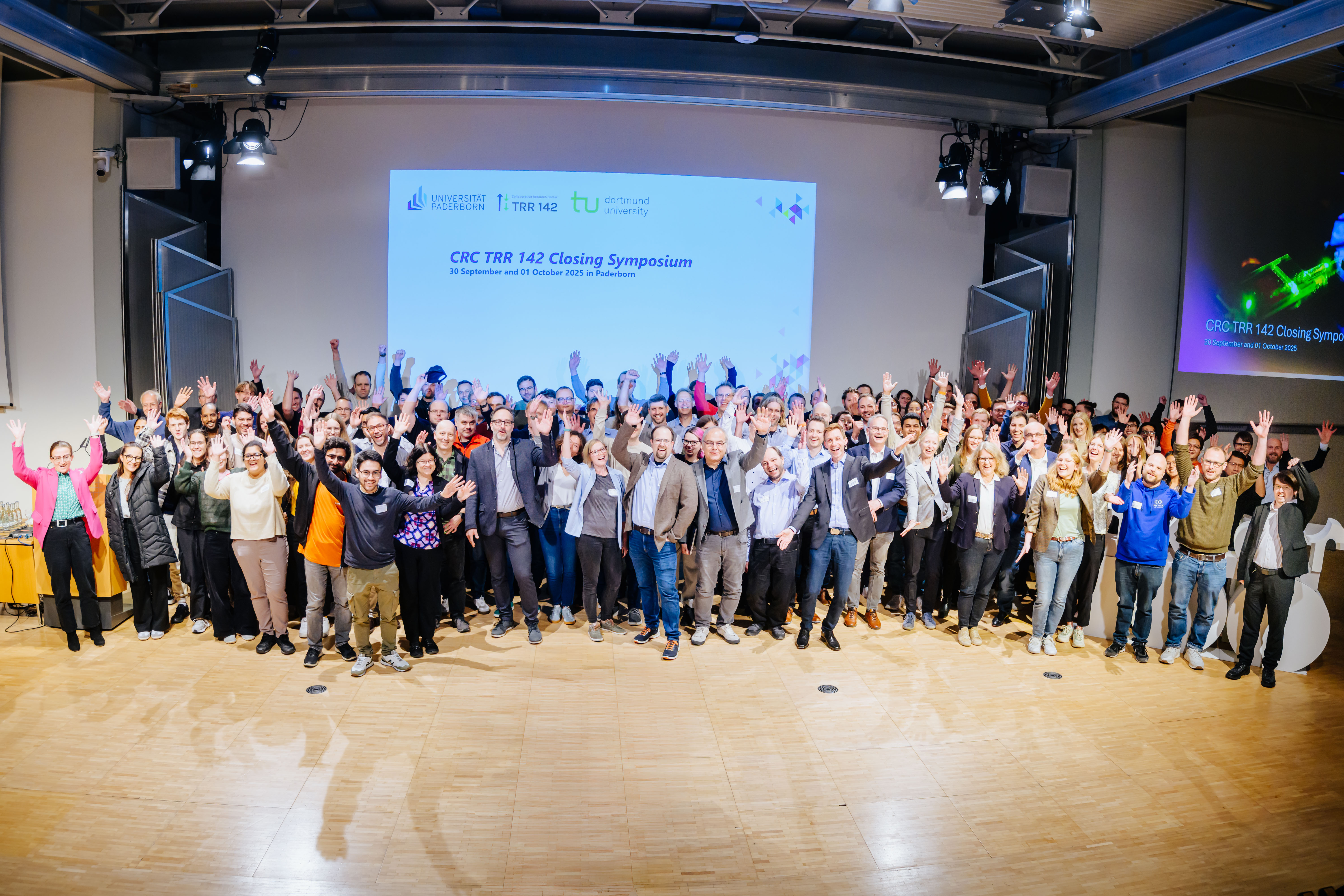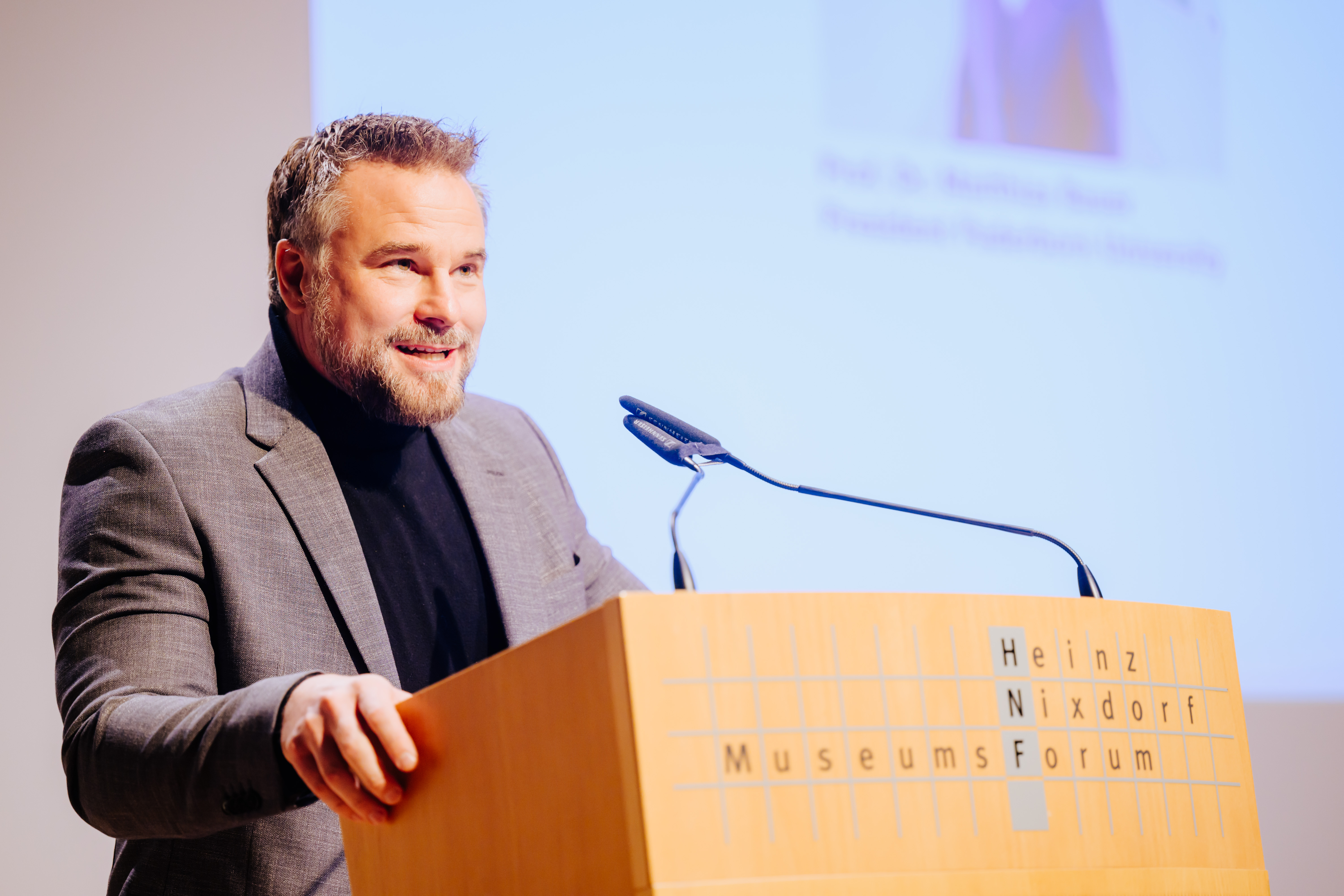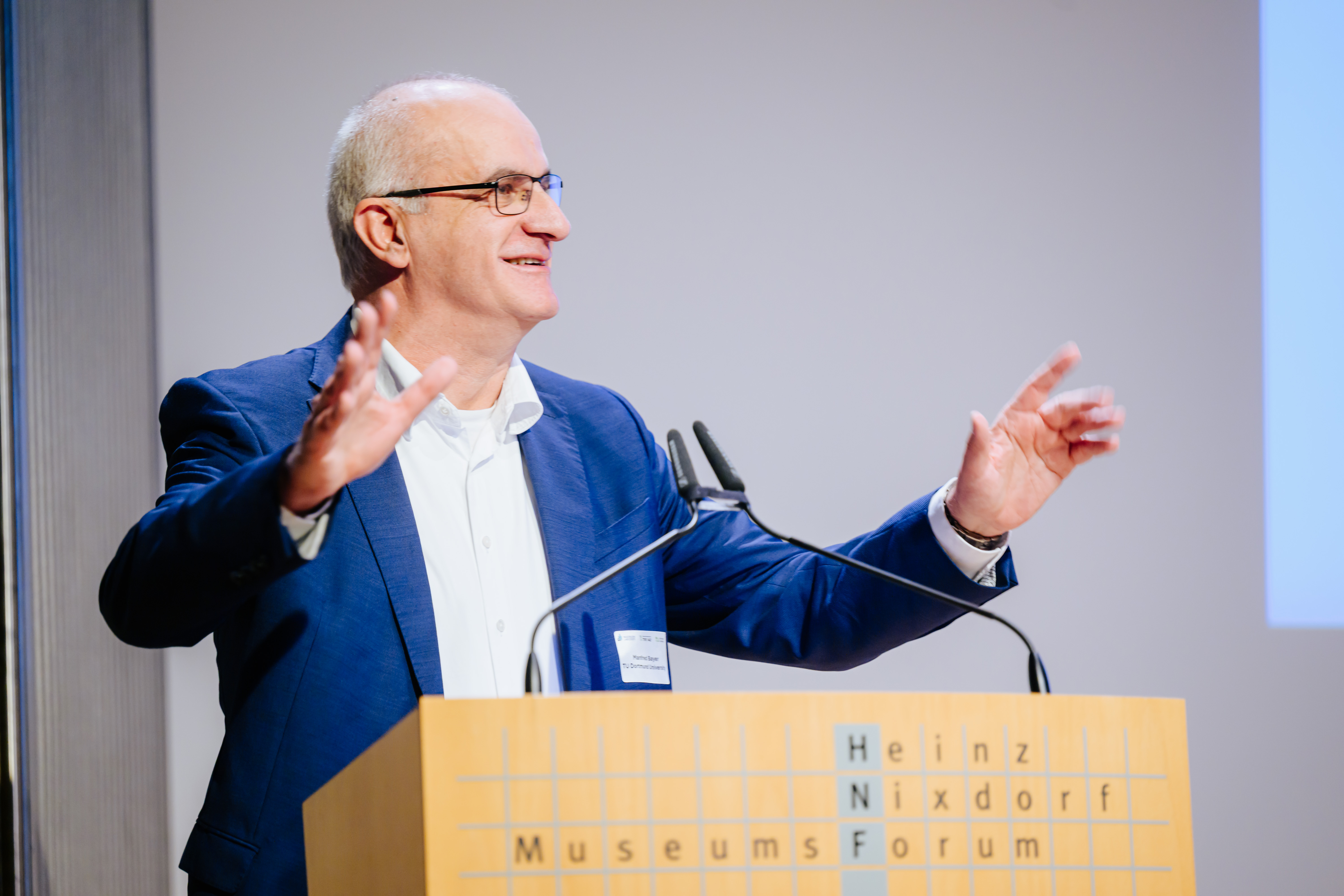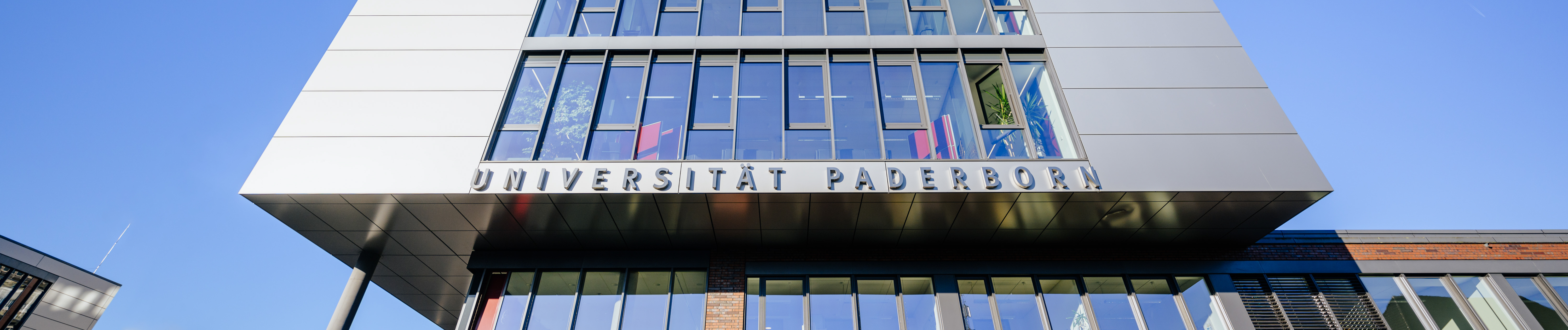
With a two-day symposium on 30 September and 1 October 2026 at the Heinz Nixdorf MuseumsForum (HNF) in Paderborn, TRR 142 presented its successful twelve years of research work at the University of Paderborn and TU Dortmund University.
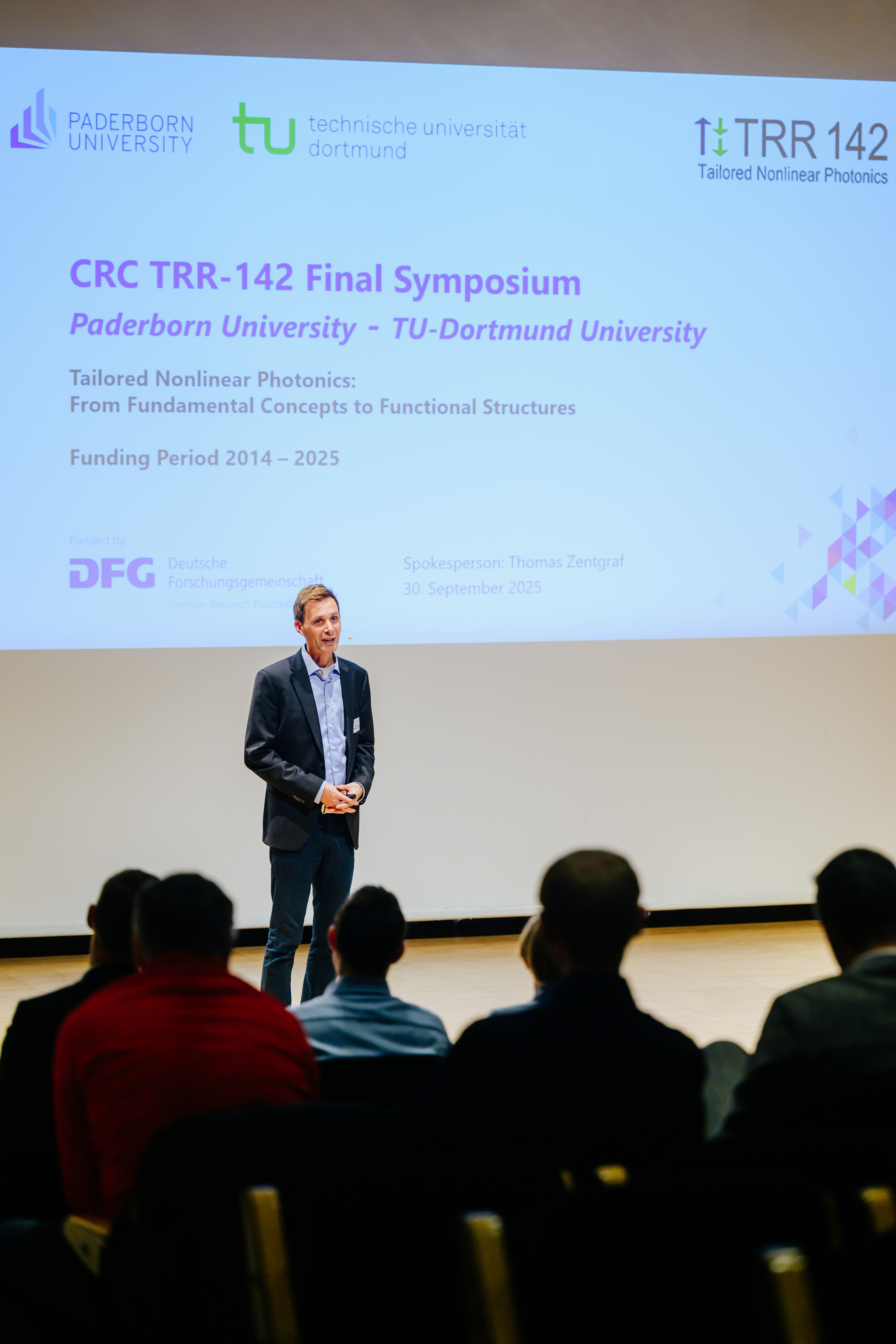
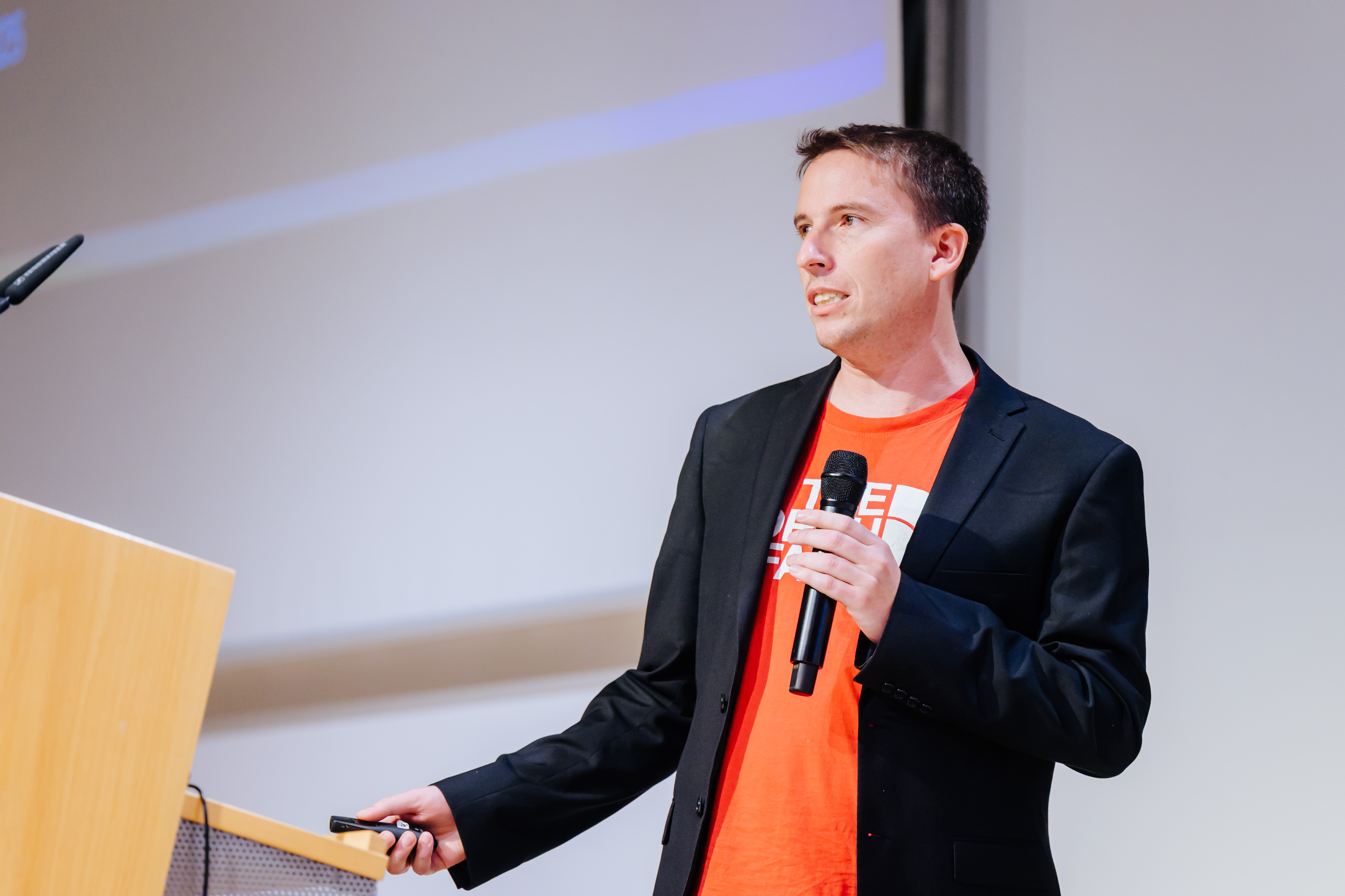
At the morning ceremony, the current spokesperson for TRR 142, Prof. Dr. Thomas Zentgraf, gave a broad overview of the special research area, from its beginnings and scientific milestones to the successful collaboration between the universities.
While Prof. Dr. Artur Zrenner from the University of Paderborn and Prof. Dr. Manfred Bayer from TU Dortmund launched TRR 142 as co-spokespersons in 2014, Prof. Dr. Christine Silberhorn took over the baton in 2021. She successfully led TRR 142 into its third funding phase and focused her research on ‘quantum applications’.
The symposium. Two days full of information and collaborative networking
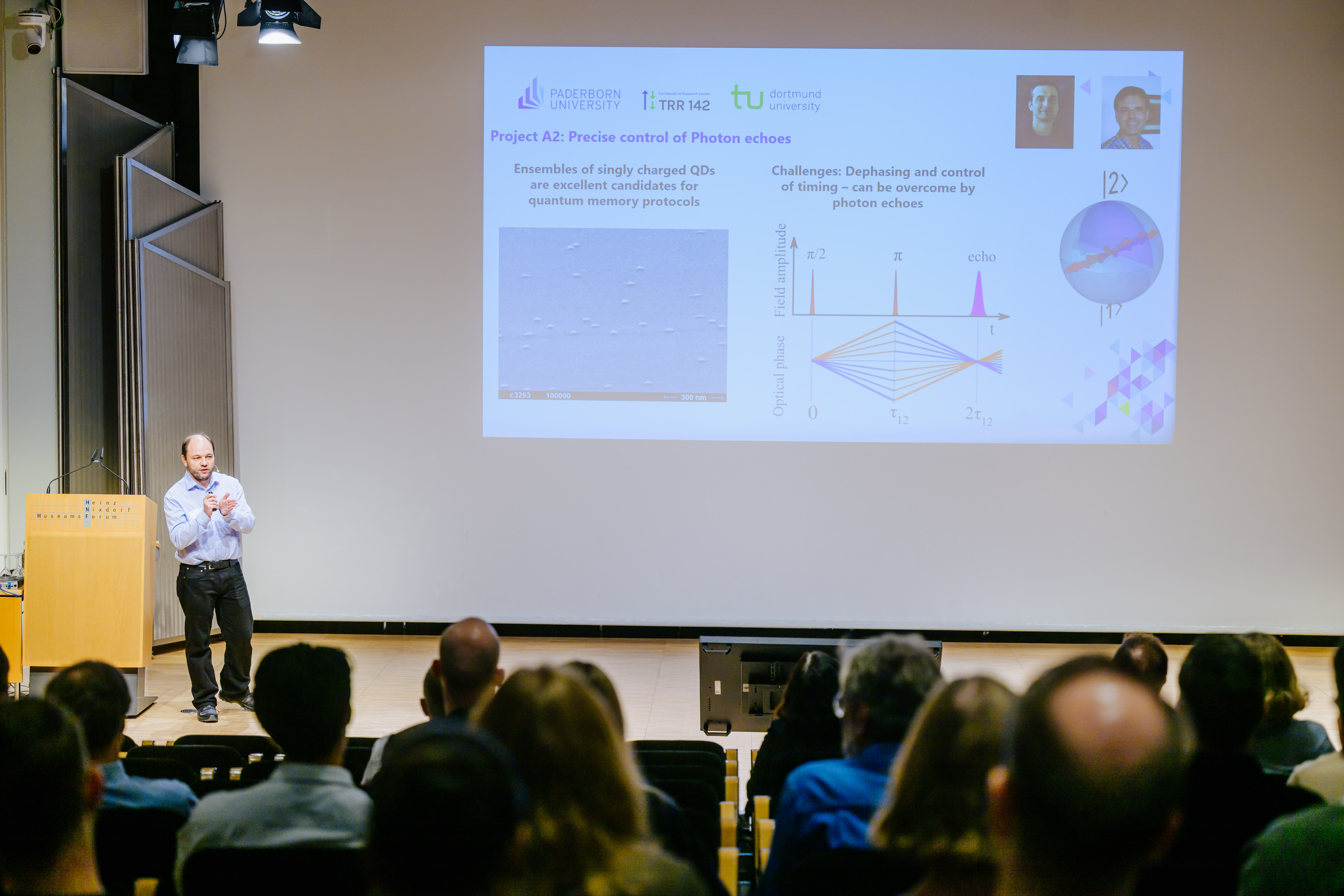
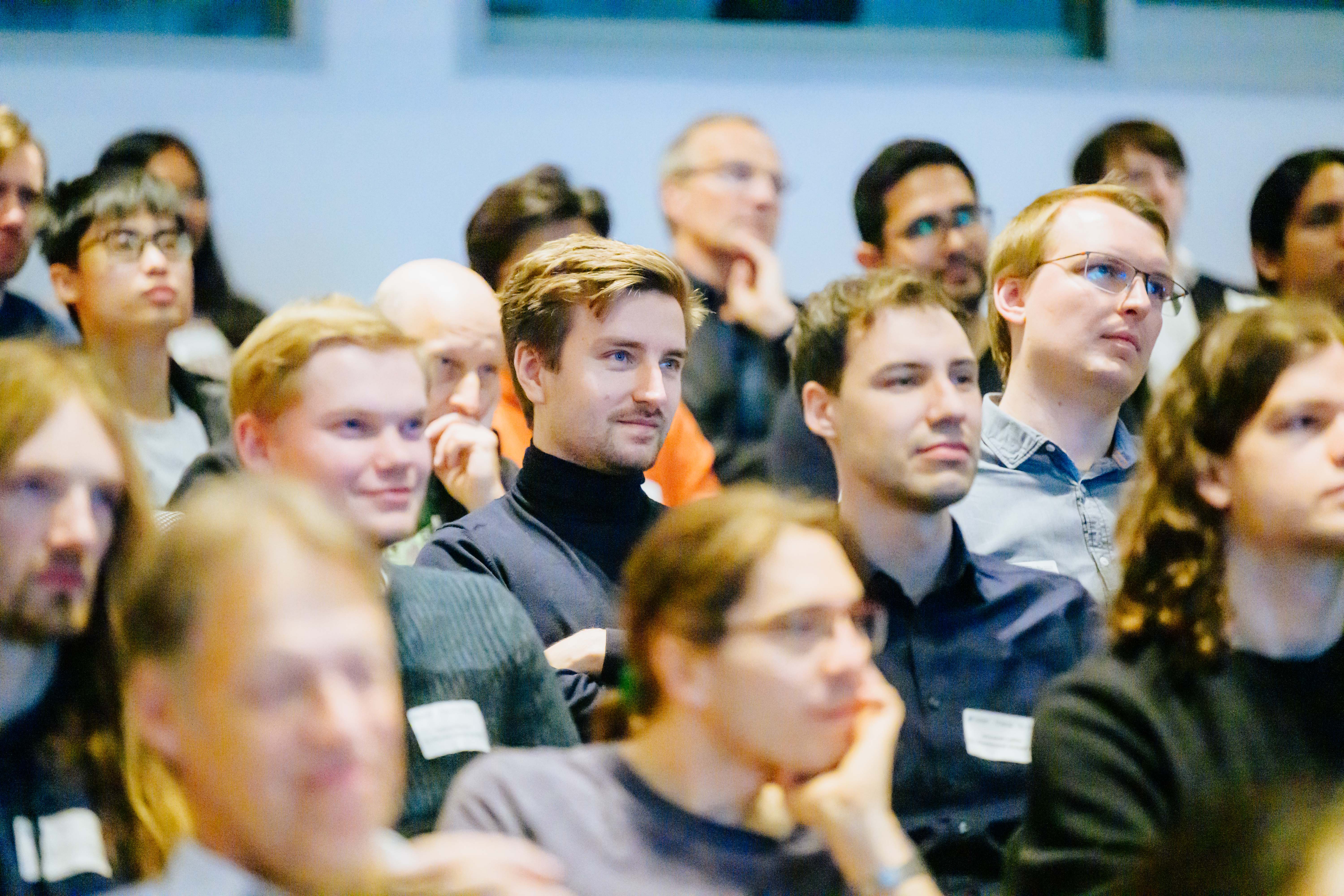
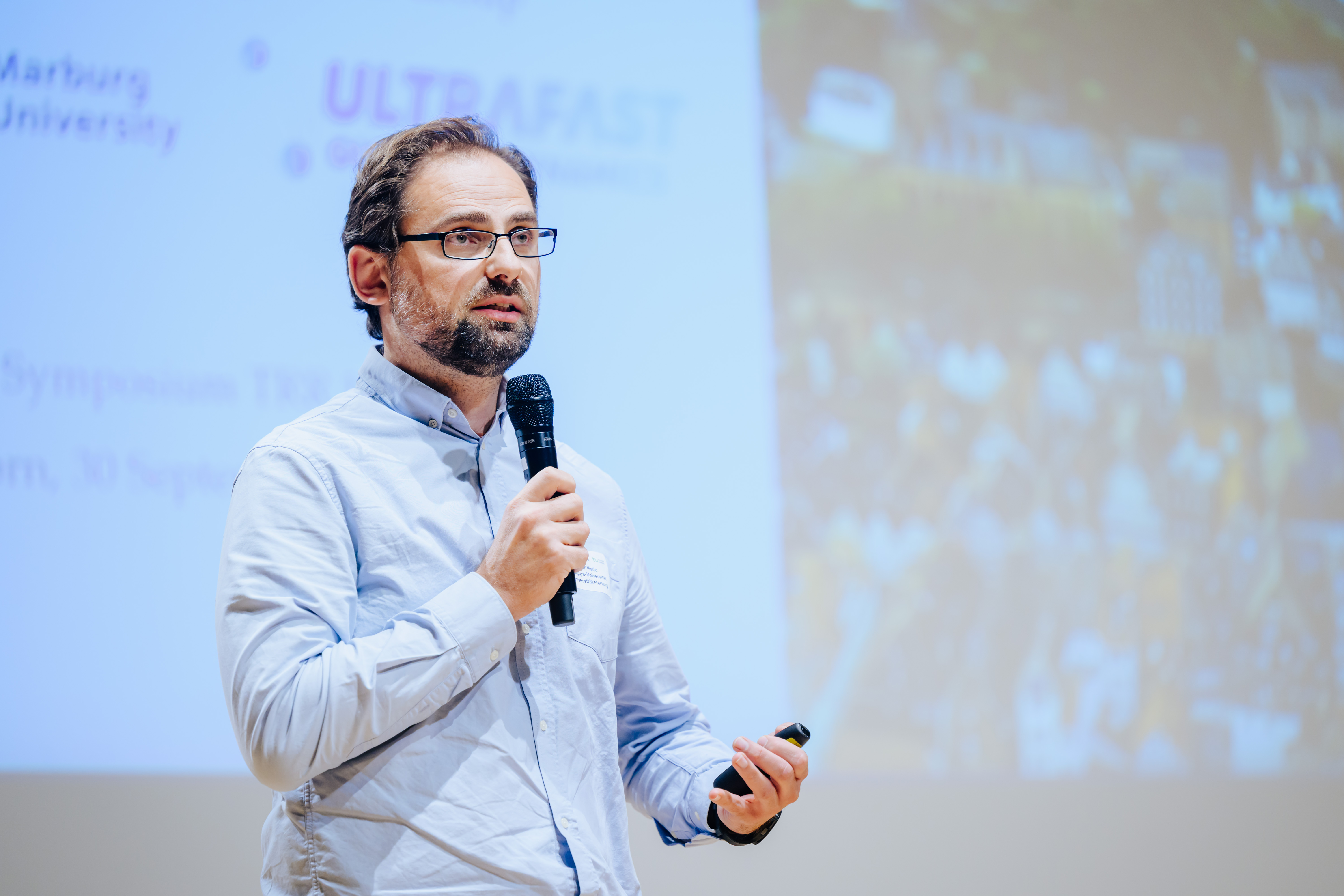
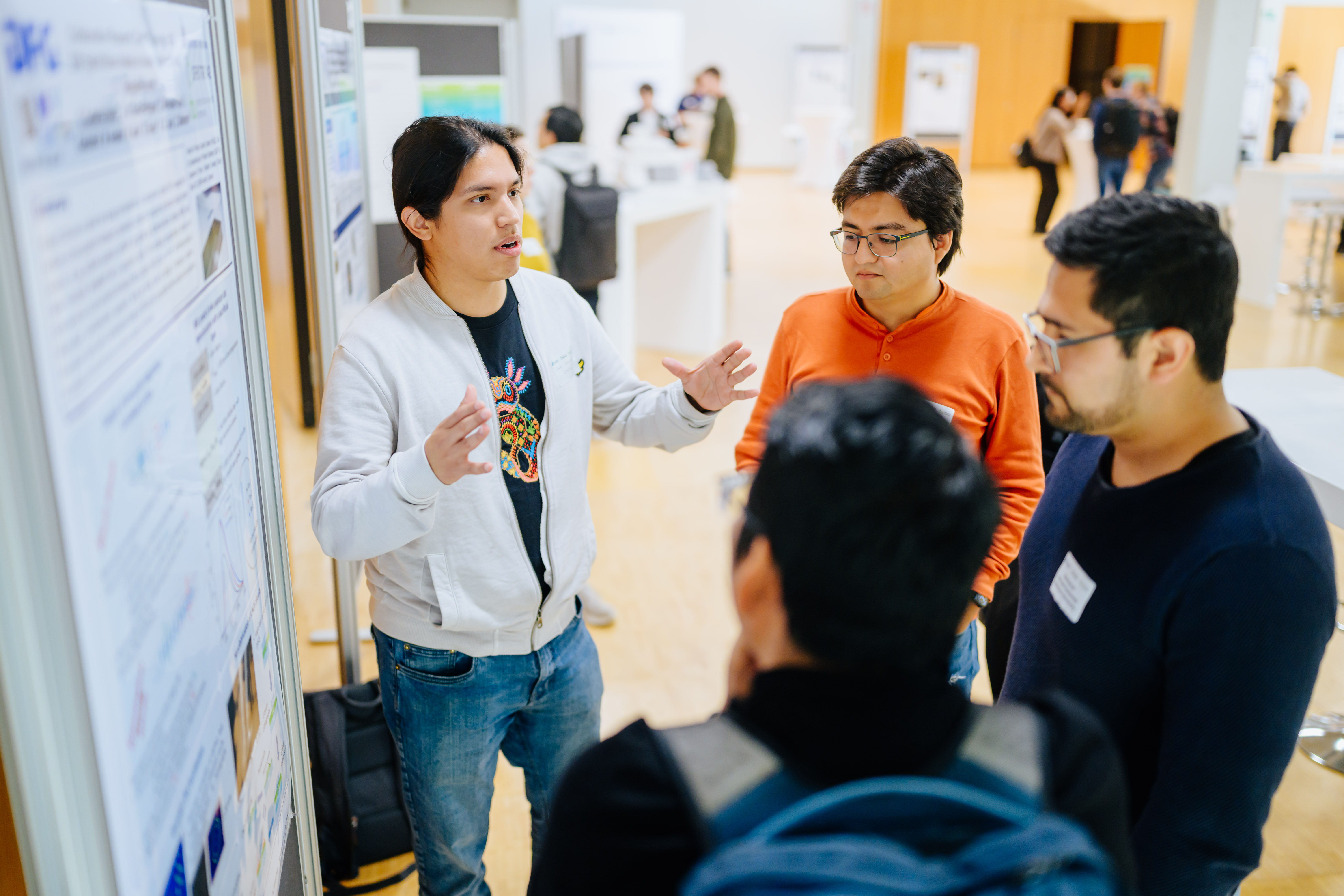
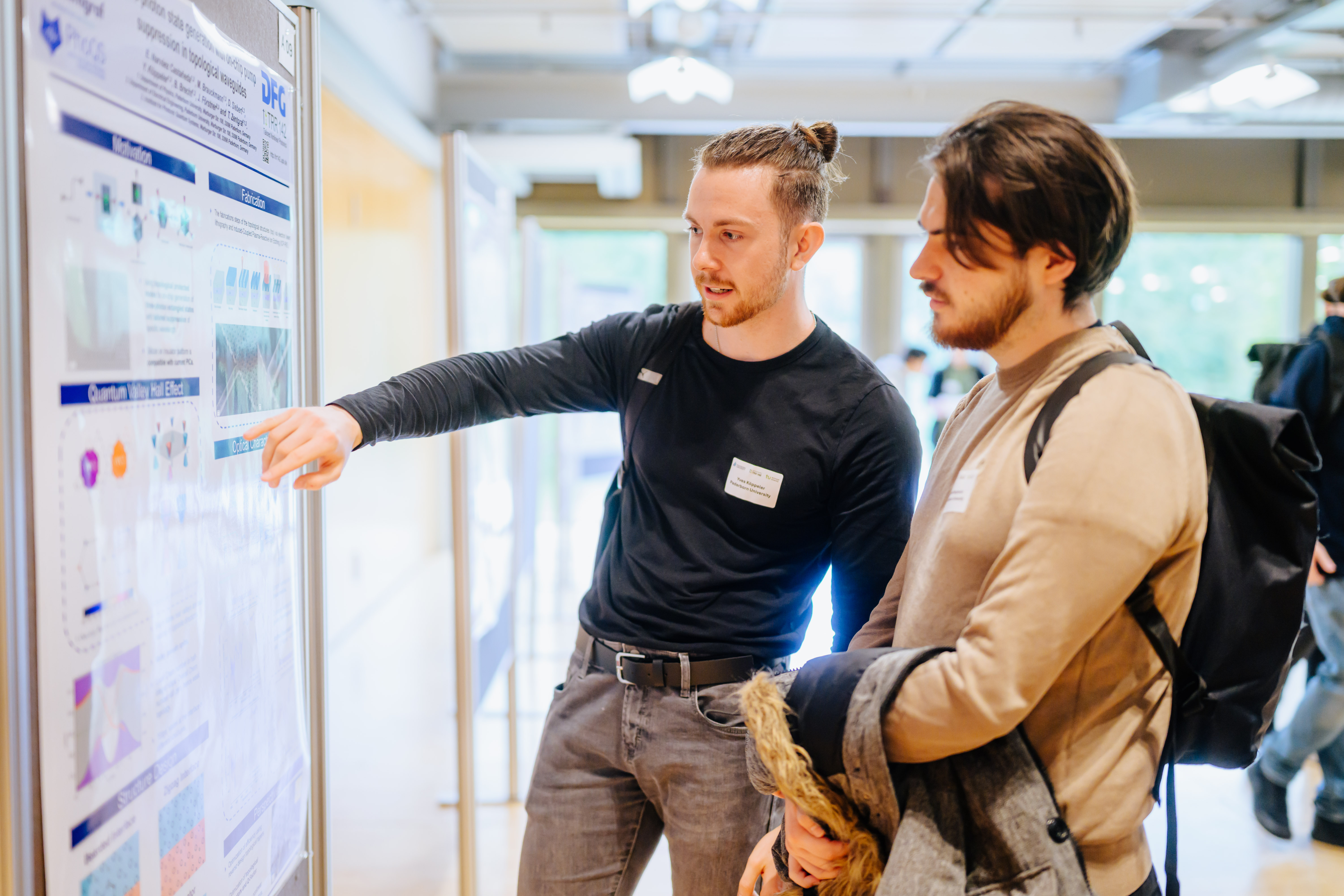
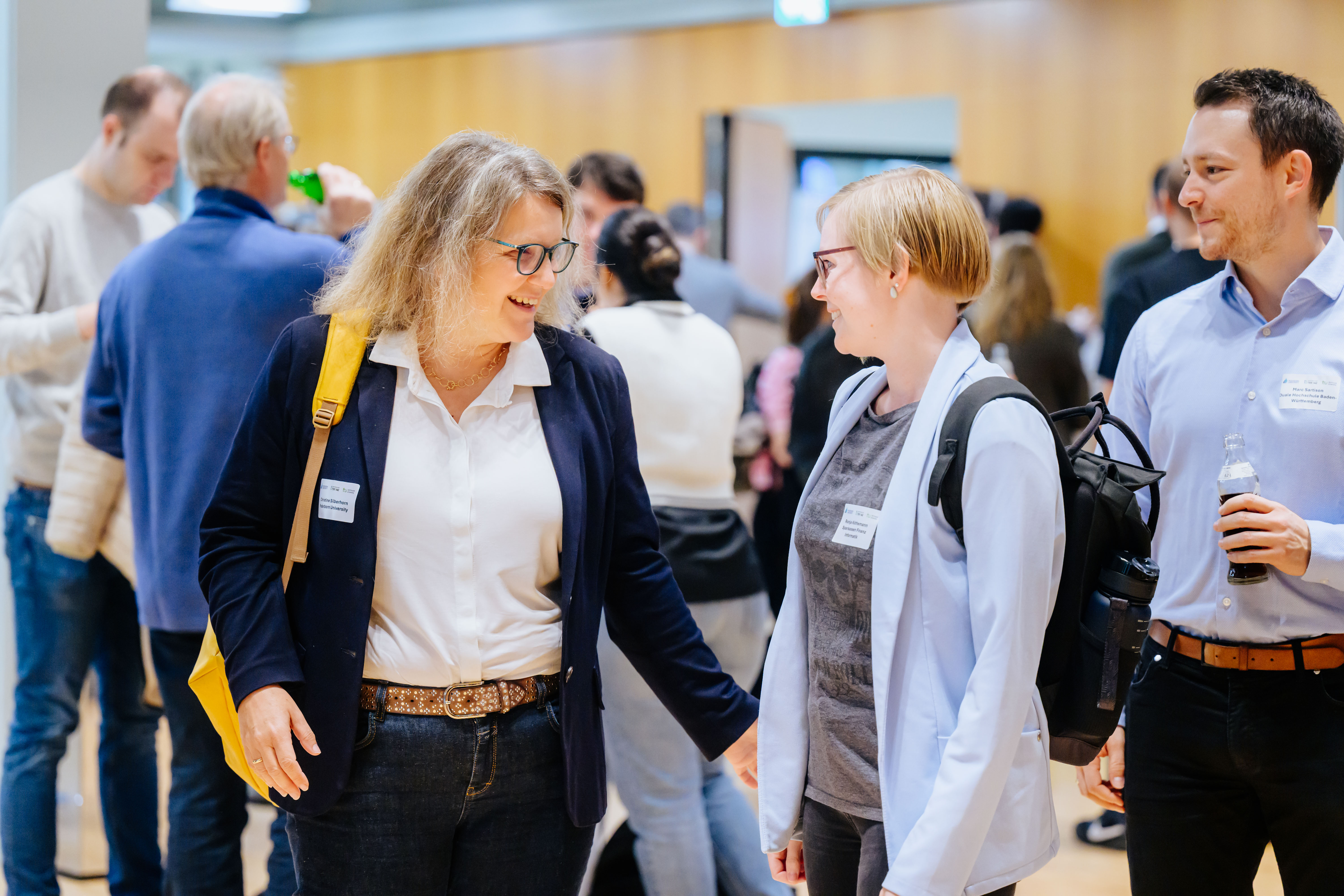
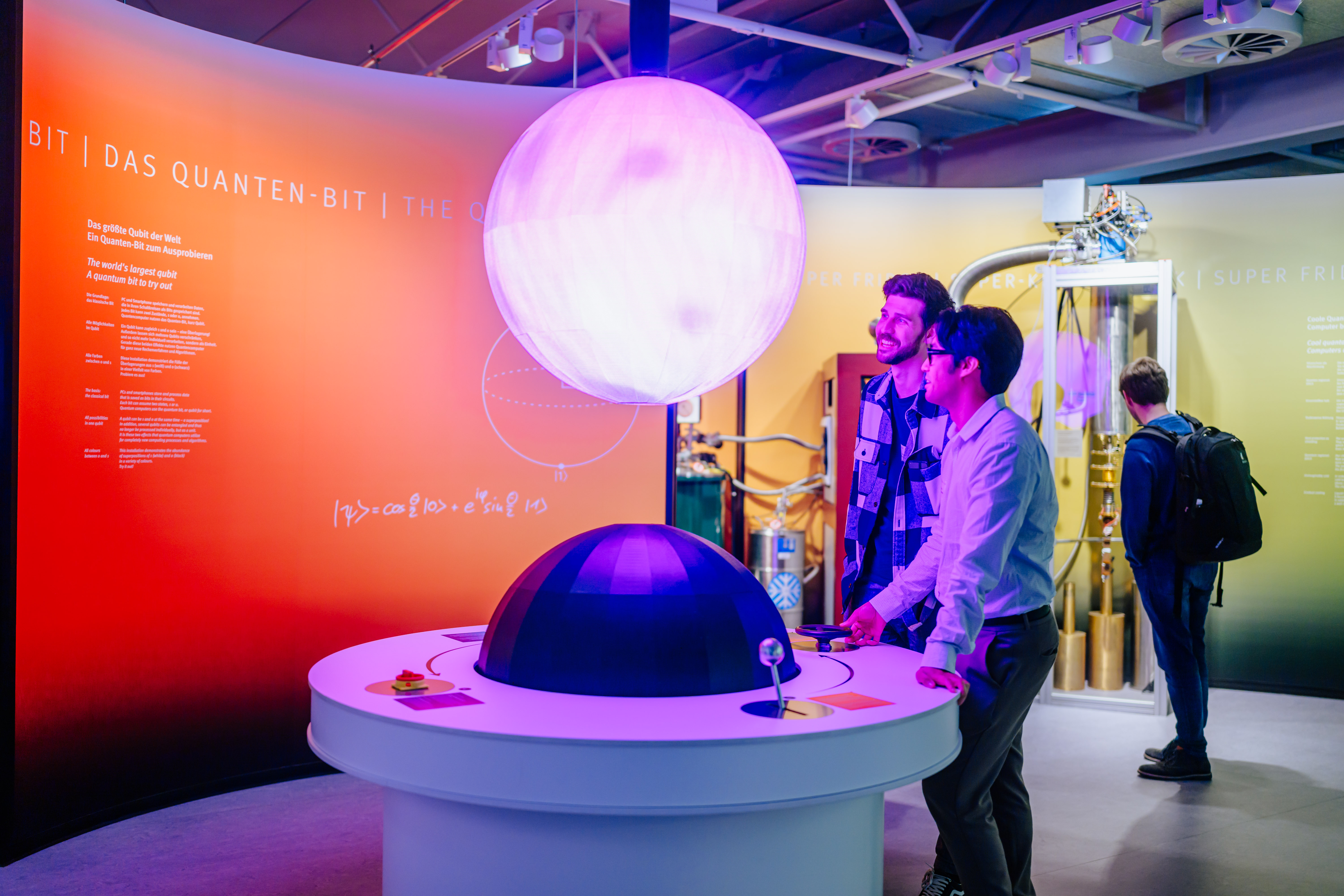
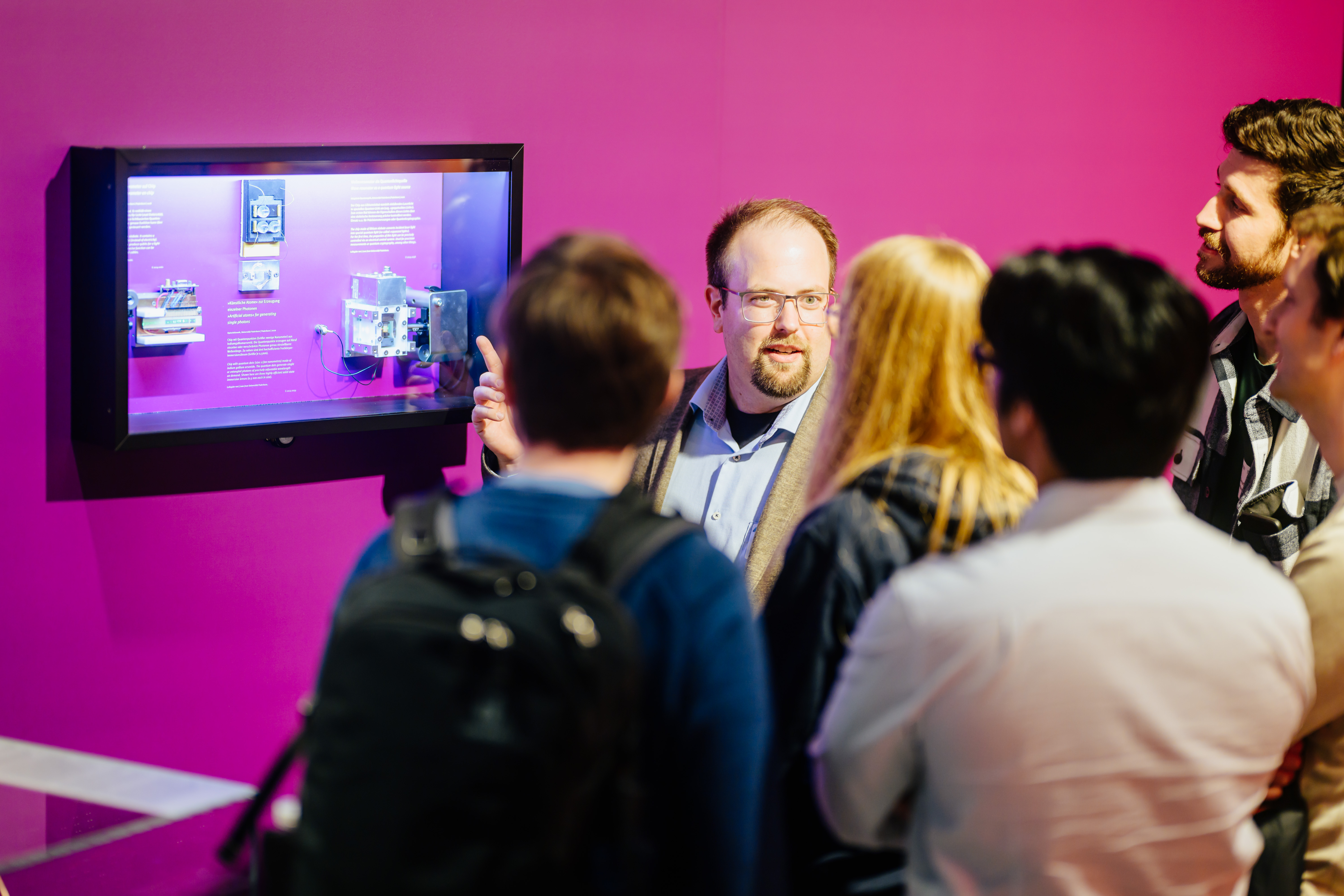
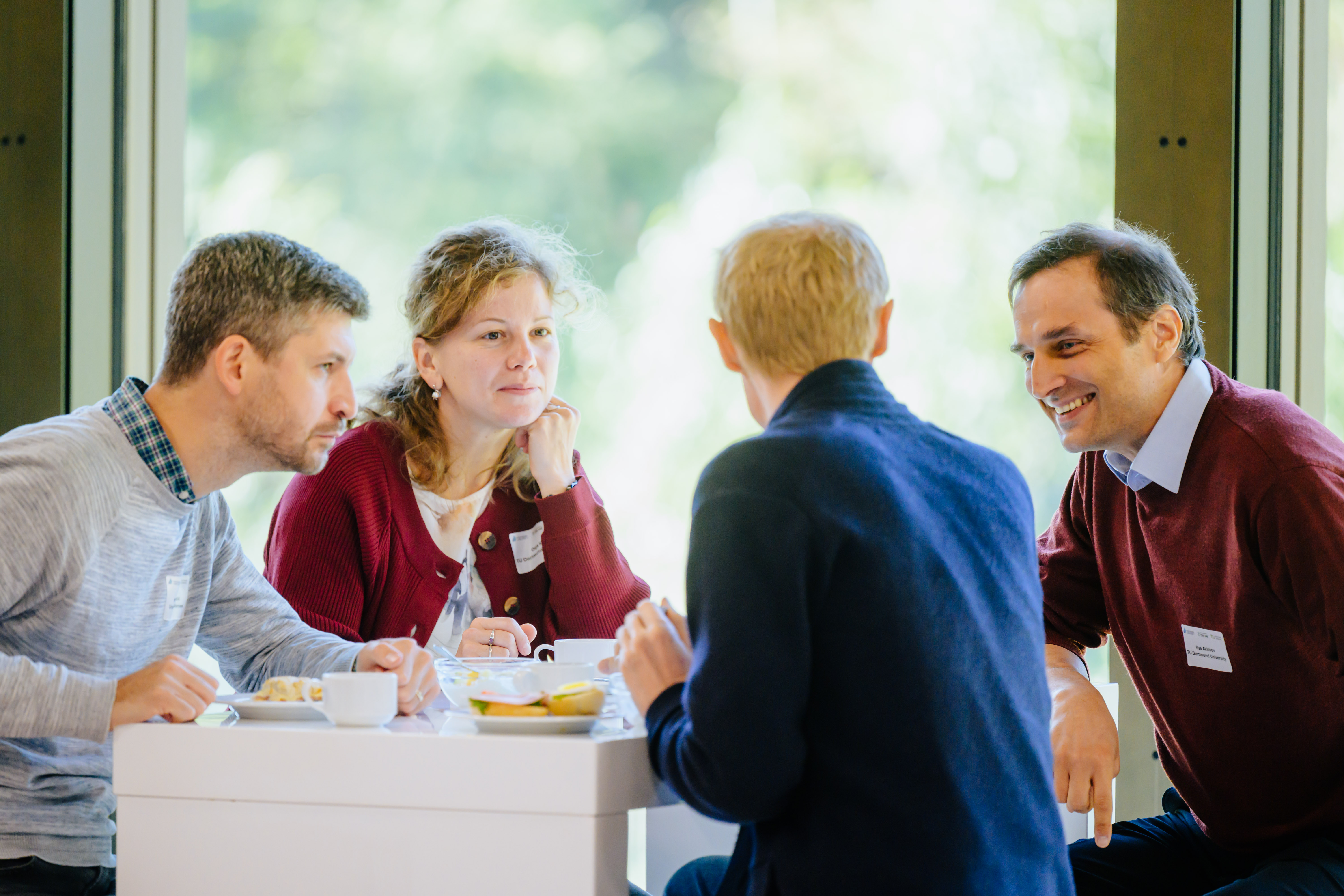
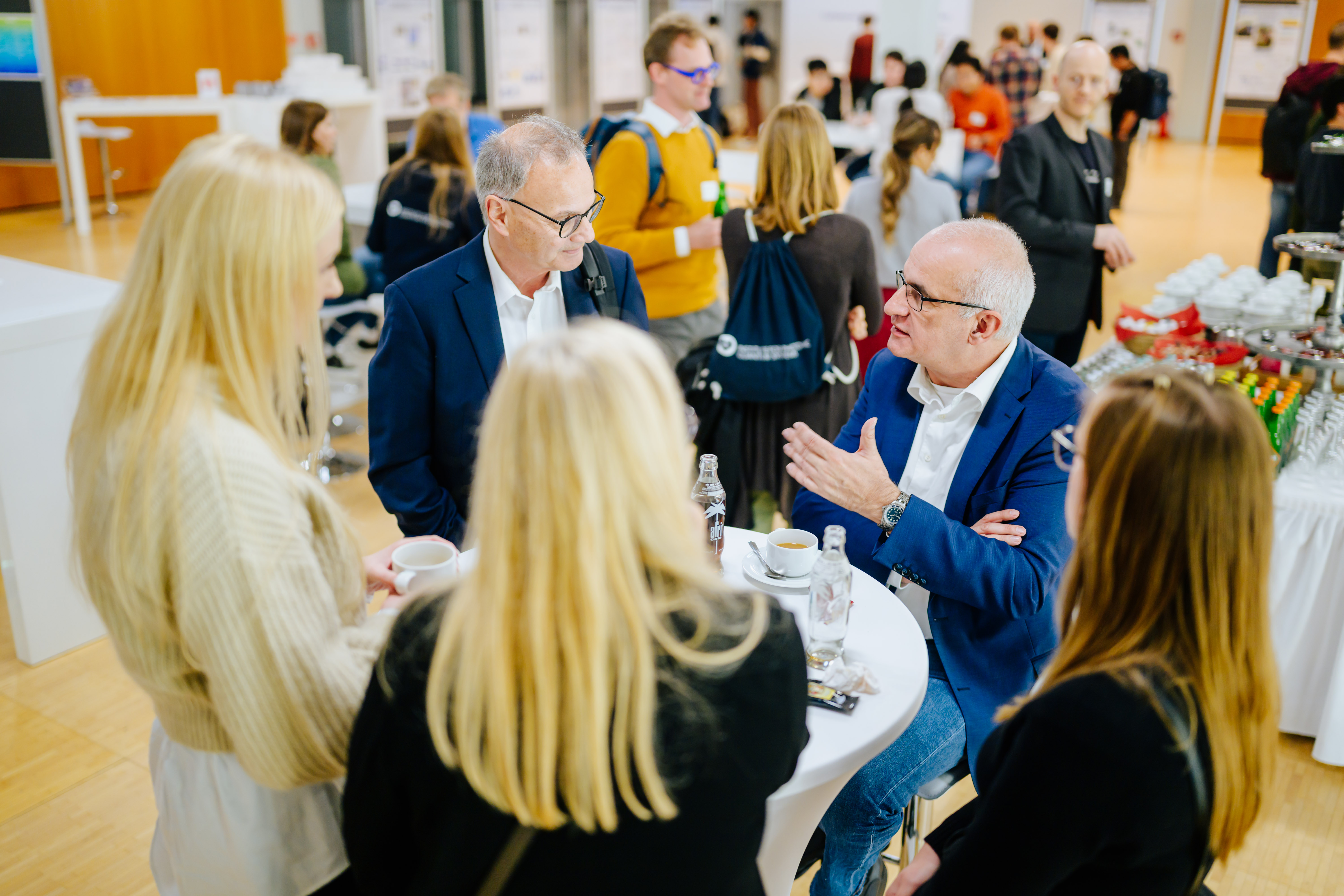
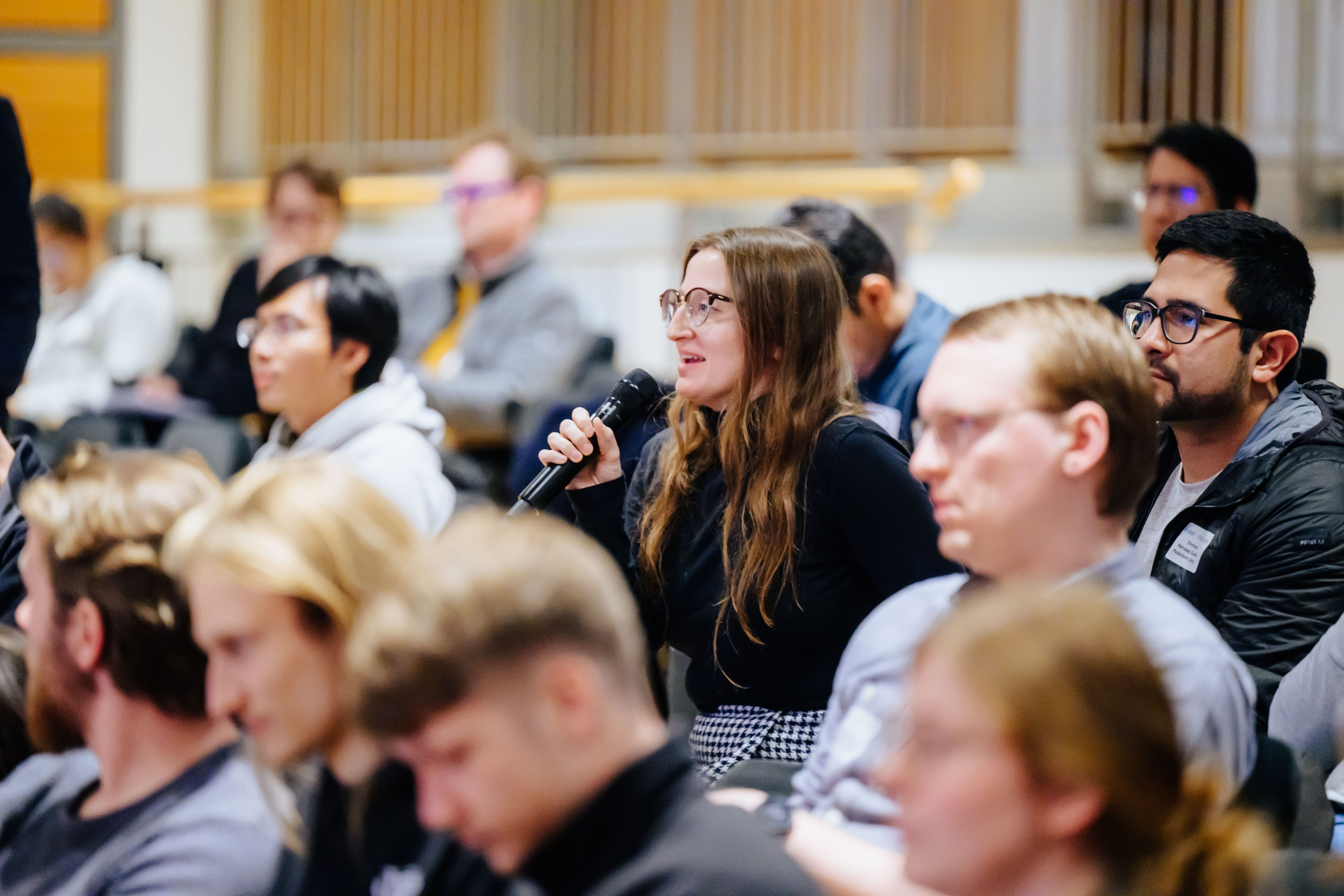
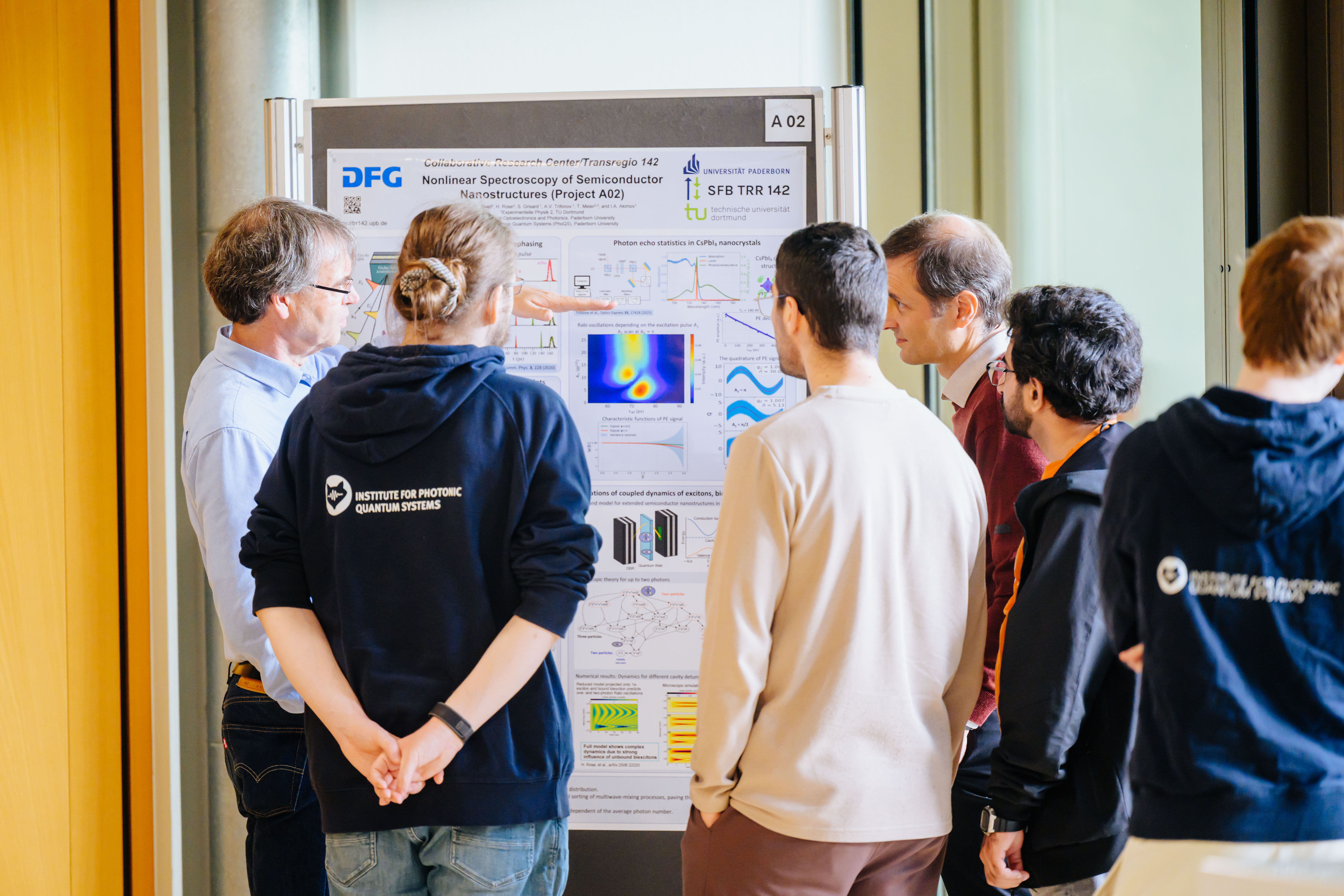
The closing symposium offered an opportunity to review the various research areas and results once again – and to look ahead and discuss new research goals.
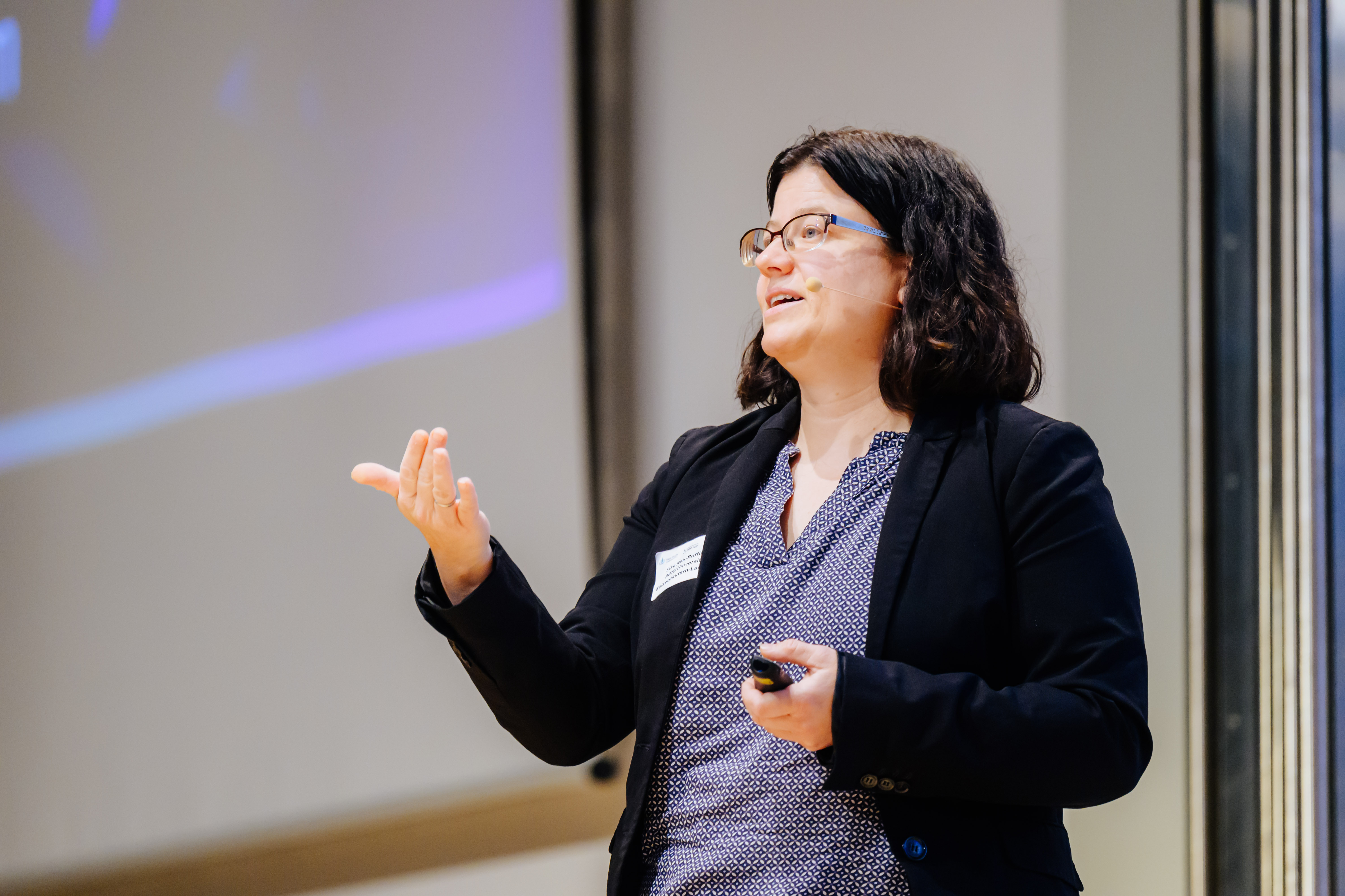
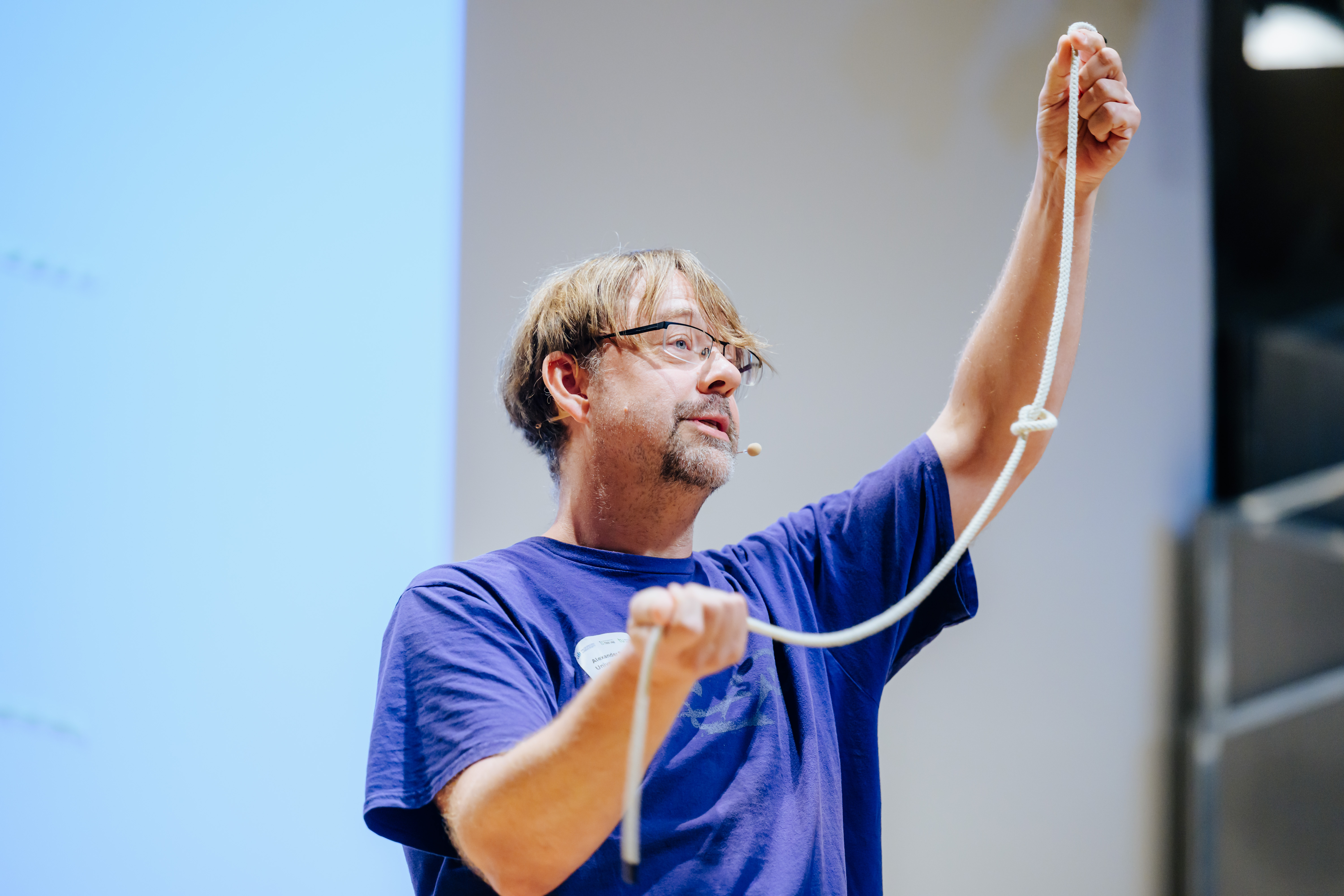
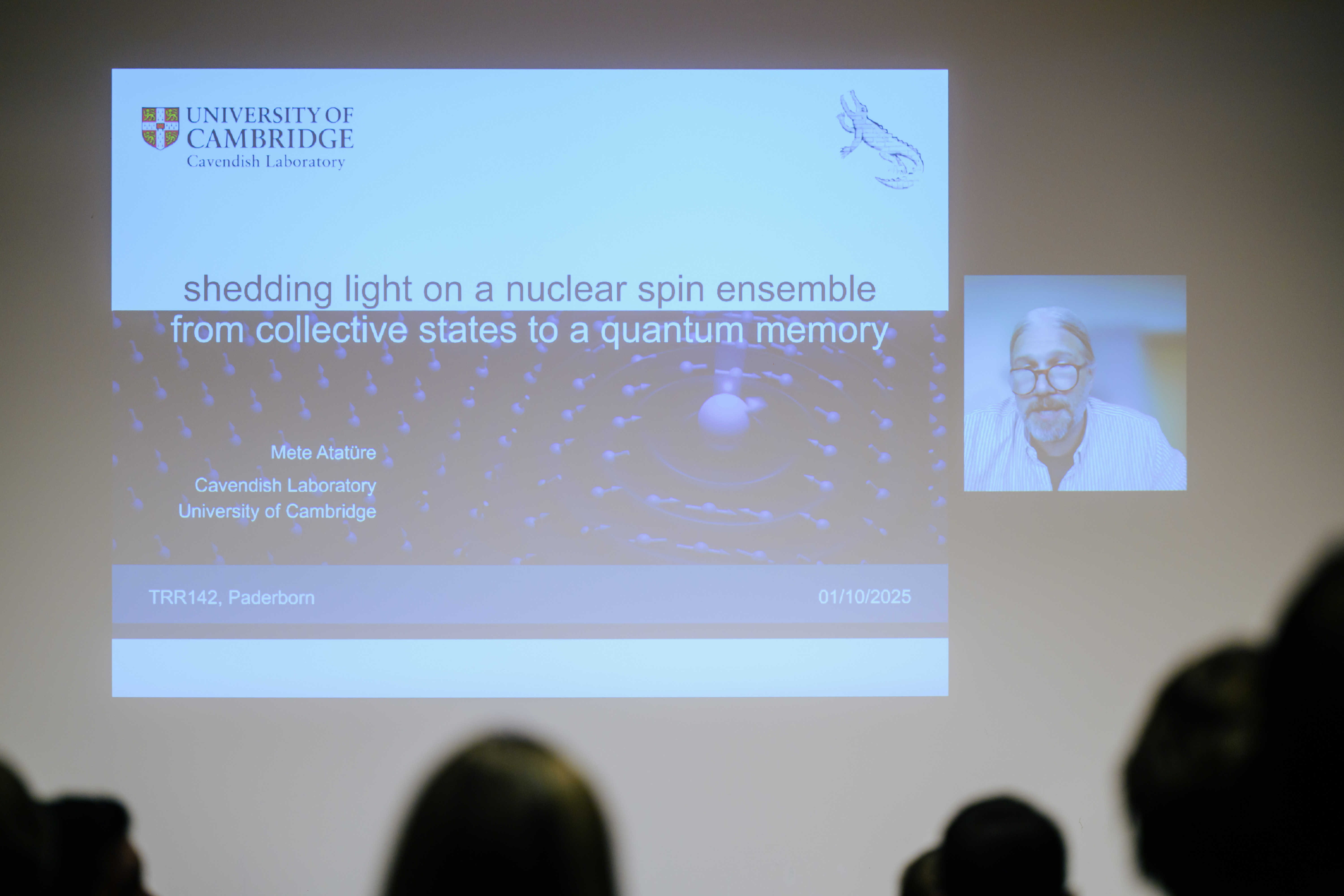
We would like to thank the speakers: Prof. Dr. Alexander Szameit, Prof. Dr. Flore Kunst, Prof. Dr. Elke Neu-Ruffing, Prof. Dr. Ermin Malic, Prof. Dr. Kai Müller and Prof. Dr. Mete Atatüre.
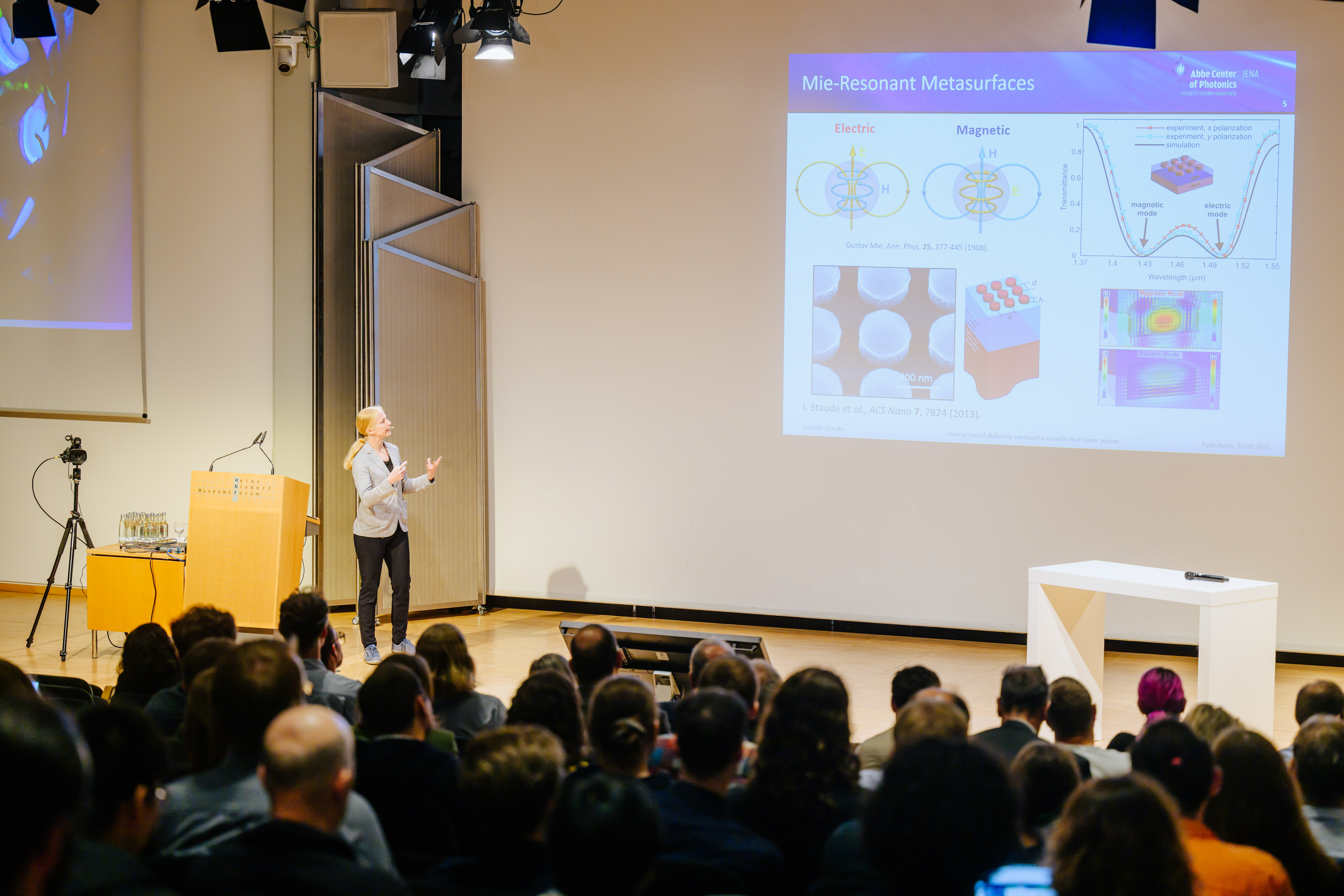
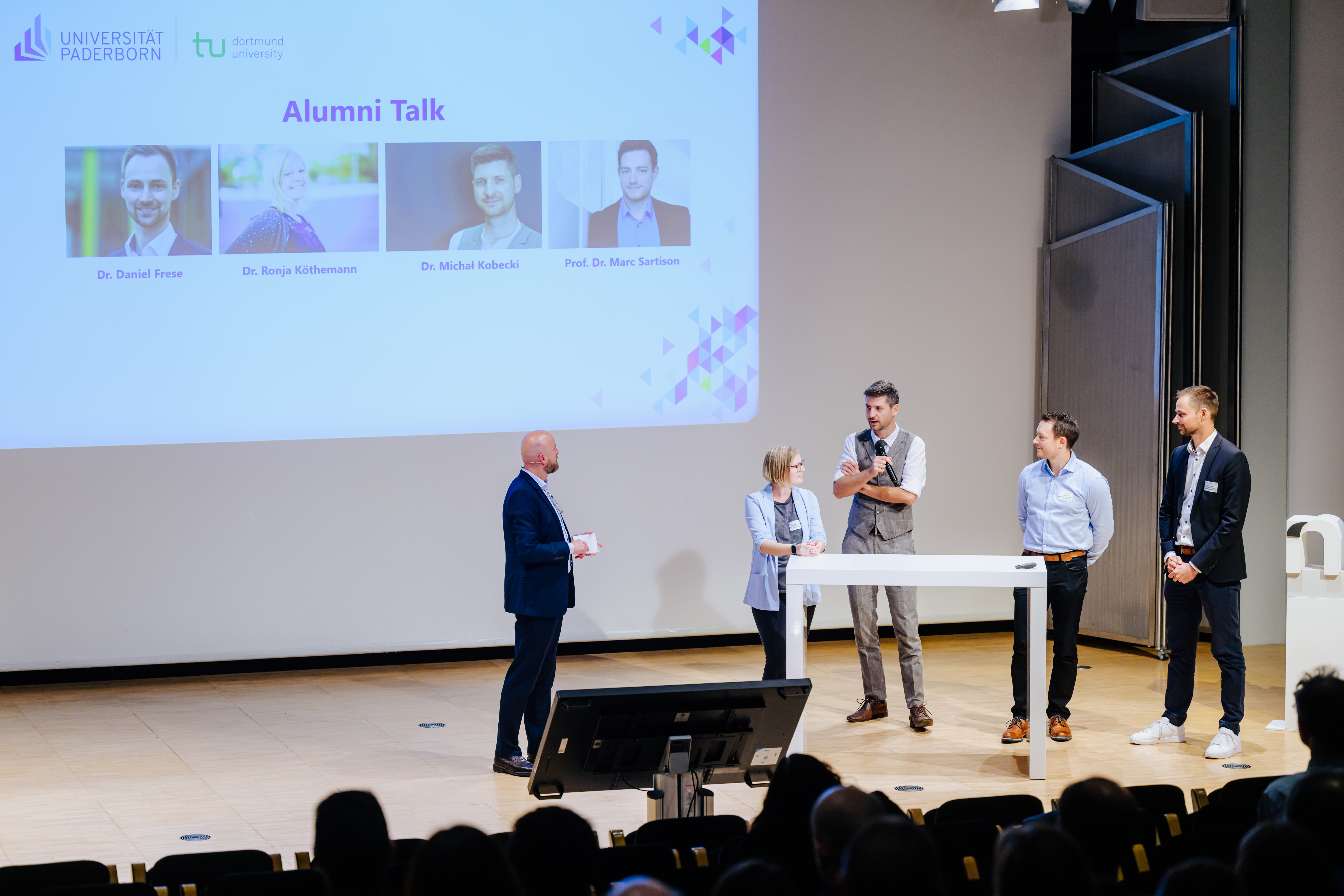
The keynote speech entitled ‘Interaction of dielectric metasurfaces with short laser pulses’ was given by Prof. Dr. Isabelle Staude from the University of Jena. Four TRR 142 alumni reported on their current activities and the insights they gained during their time as doctoral students or postdocs within the TRR 142. We would like to thank Dr. Daniel Frese, Dr. Michał Kobecki, Dr. Ronja Köthemann and Prof. Dr. Marc Sartison for their personal insights.
More about our research in words and pictures
The scientific programme of the symposium can be viewed here. More information about the research conducted within the Collaborative Research Centre TRR 142 is available in a brochure, which can be downloaded here as a PDF file.
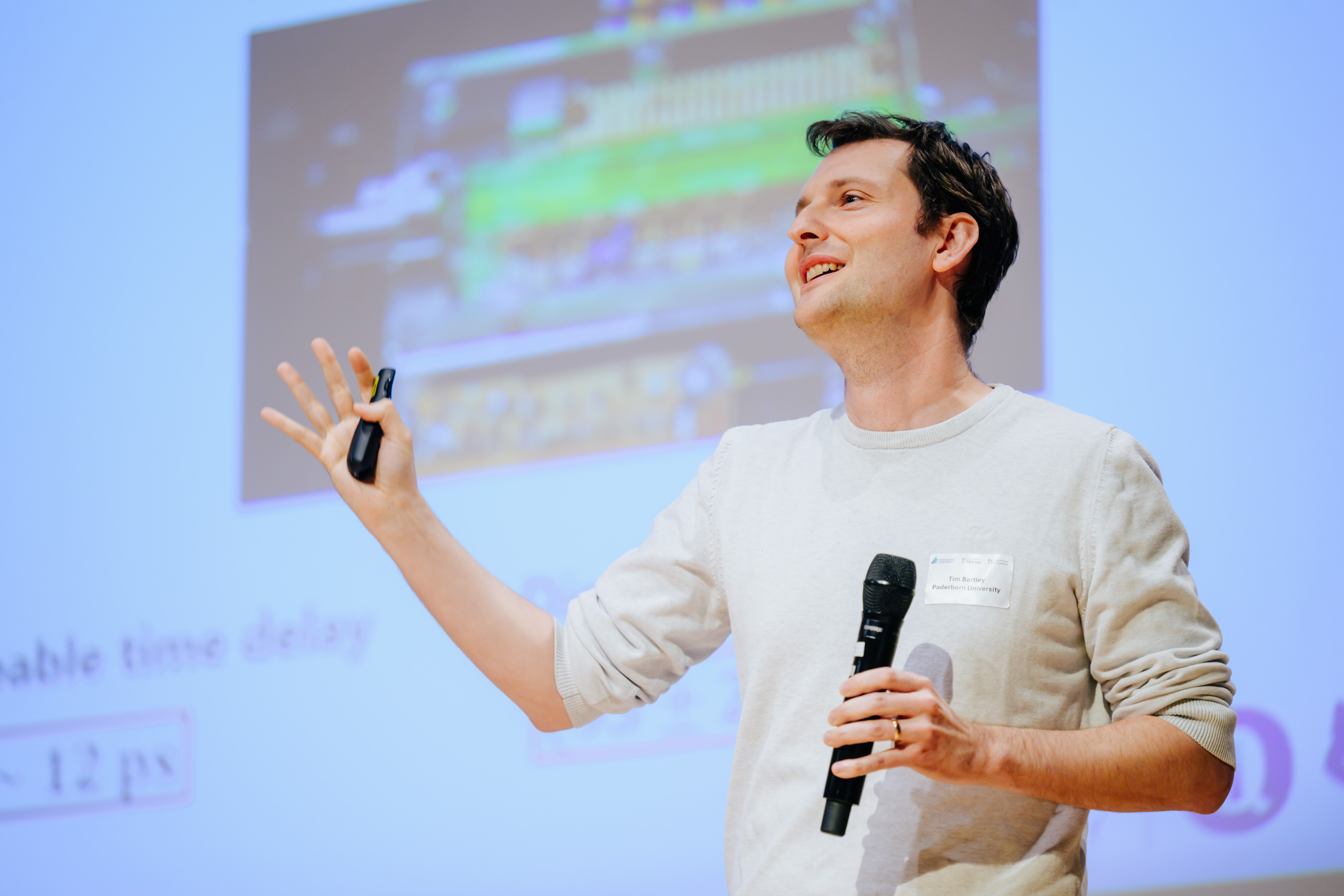
‘The Adventure of Research – People in Science’ is the title of an entertaining film that explores the world of research from the perspective of a doctoral student, a postdoc and a project manager. A big thank you for their contribution to: Prof. Dr. Tim Bartley, Dr. Andreas Farenbruch and Lorena Stremmel.
Many thanks to everyone who has contributed to the success of SFB TRR 142 over the years!
The TRR 142 in a nutshell: what has been achieved?
One highlight of the research is semiconductor quantum dots. These are tiny structures that behave like artificial atoms. With precise laser excitation, they can control individual photons with great accuracy – an essential basis for absolutely secure communication with quanta. In addition, the creation of exciton-polariton condensates deserves special mention: a mixture of light and matter. These enable new switching processes that can make optical technologies more efficient and faster.
In the field of nano-optics, materials have been developed that are smaller than the wavelength of light. Such ‘metamaterials’ have extraordinary properties that allow light to be precisely controlled and utilised. They open up applications such as frequency conversion or highly compact optical components – a huge advance in the design of modern technologies.
Quantum photonics also received important impetus from TRR 142. With the help of new technologies, components such as integrated frequency converters and quantum light sources have been developed – indispensable tools for quantum computers and ultra-fast communication.
The establishment and expansion of the Institute for Photonic Quantum Systems (PhoQS) with the new PhoQS Lab research building can be seen as a strategic further development of the research activities of TRR 142. With Prof. Dr. Christine Silberhorn, the TRR 142 and PhoQS are reciprocally involved in the development of quantum optics technologies, whereby the synergy between experimental research and theoretical modelling is crucial for advances in quantum information technology.